Masks of Nyarlathotep - Prologue: Peru
Part 2 - The University, and the Thing in the Storeroom.
Lima, Peru. March 19th, 1921.
Content Advisory
This story may depict violence, disturbing scenes, and other mature themes. Reader discretion is advised.
The morning passes without incident - which, in retrospect, is the universe’s way of lulling you into a false sense of security before it shows you something you cannot un-see.
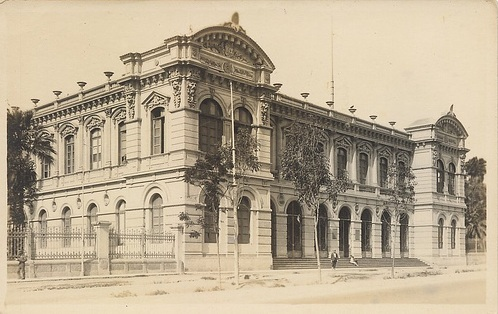
At two o’clock in the afternoon, the investigators make their way across the campus of the Universidad Nacional Mayor de San Marcos - the oldest university in the Americas, founded in 1551, its stone corridors saturated with the particular quiet authority of a place that has outlasted empires. The Museo de Arqueología y Antropología is housed in a long, two-storey building painted a deep yellow, fronted by the University Park. Jackson Elias leads the way with the easy confidence of a man who has been here before, nodding to staff as they pass through.
Professor Sánchez’s office is on the ground floor - a tall-ceilinged, airy room with white walls and shelves that have long since surrendered to the weight of books, journals, and artifacts arranged in the organised chaos of a working academic mind. A large hardwood desk dominates the centre, barely visible beneath its burden of papers. The windows are open. Somewhere outside, a bird is singing.
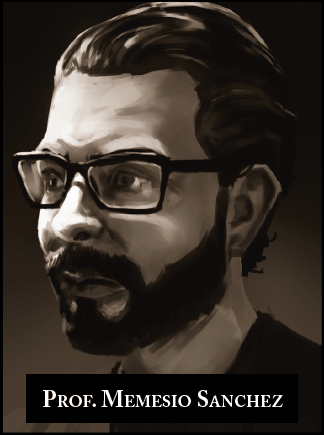
Professor Nemesio Sánchez himself is thirty-five years old, neatly dressed in a suit, his hair oiled and his glasses precisely positioned - the portrait of a man who believes in order, in evidence, in the rigorous application of human reason to the mysteries of the past. He welcomes Elias with genuine warmth and extends the same courtesy to the investigators with the careful politeness of someone who is trying not to show how worried he actually is.
What the Professor Knows
Sánchez wastes little time. He has been trying to reach Augustus Larkin for months.
He saw the press coverage about the expedition - the lost pyramid, the golden artifacts, the appeal for recruits - and immediately reached out to offer his expertise and the university’s resources. Larkin never replied. Sánchez sent letters with specific archaeological advice about the region. No response. He even attempted to approach Larkin in person, and was turned away by de Mendoza with barely a word of explanation.
His conclusion is not a flattering one. Peru has no legal framework to prevent foreign nationals from removing archaeological finds from its territory. In the academic community, there is a word for people who exploit this absence: huaqueros. Grave robbers. Sánchez says the word with the controlled fury of a man who has watched his country’s heritage walk out the door in foreign pockets for the better part of his career, and who has learned that anger, however justified, does not change the law.
What he can do - what he has been doing - is research. If Larkin will not include him, Sánchez will simply find out everything he can about the site independently, so that when the time comes, someone will know what was there and what was taken.
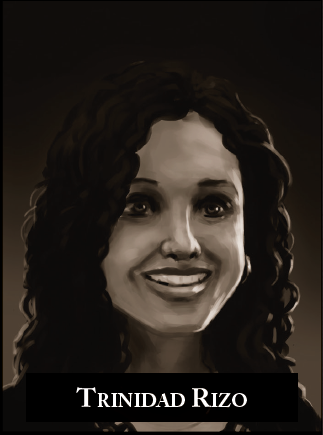
To this end, he and one of his graduate students - Trinidad Rizo, a bright, energetic young woman with a gift for archival work - have been methodically combing the university’s library and storage vaults for any documents that might reference the pyramid or the surrounding area. Three days ago, they found something.
A document. Handwritten on vellum, dating to the mid-sixteenth century. The confession of a Spanish conquistador named Gaspar Figueroa, written in 1543 - a rambling, terrified, deeply strange account of something that happened to Figueroa and his companions after they left Lima following the assassination of Francisco Pizarro. They traveled south into the highlands in search of treasure. They found, in the mountains south-west of Lake Titicaca, a pyramid surrounded by a network of underground tunnels. The walls of those tunnels were inlaid with gold. The men pried a section of it free.
What happened next, Figueroa could barely bring himself to write.
Sánchez has been working with Rizo to produce a clean transcription of the document’s key passages - the original is old, the handwriting difficult, the language archaic. Rizo had taken the document down to the storeroom in the basement to locate a related artifact referenced in Figueroa’s account: a section of worked gold recovered from the same site, catalogued in the 1890s and largely forgotten in storage ever since.
That was some time ago. She has not come back.
She should have been here by now, Sánchez says, and the slight tension at the corner of his eyes is not the look of a man who thinks a student has simply lost track of time. It is the look of a man who is trying very hard not to think what he is actually thinking.
He asks if you would go down and check on her. He will wait here with Elias.
The Descent
The storeroom is reached by staircase and a long corridor in the basement of the building - a different world from the sun-filled office above. Down here the electric lighting is dim and yellowed, throwing more shadow than light across the stone walls. The corridor is perfectly, entirely silent. Not the silence of an empty building, but the silence of a place holding its breath.
The storeroom door is ajar. Rizo left it open when she went in.
The room itself is vast - eighty feet long and nearly half as wide, lined floor to ceiling with shelves packed with crates, boxes, and artifacts, each neatly labeled, everything meticulously catalogued. Or it was, once. Now, at the far end of the room, between two rows of shelving, several crates and artifacts have been dragged or knocked from their places, piled in a heap against the floor.
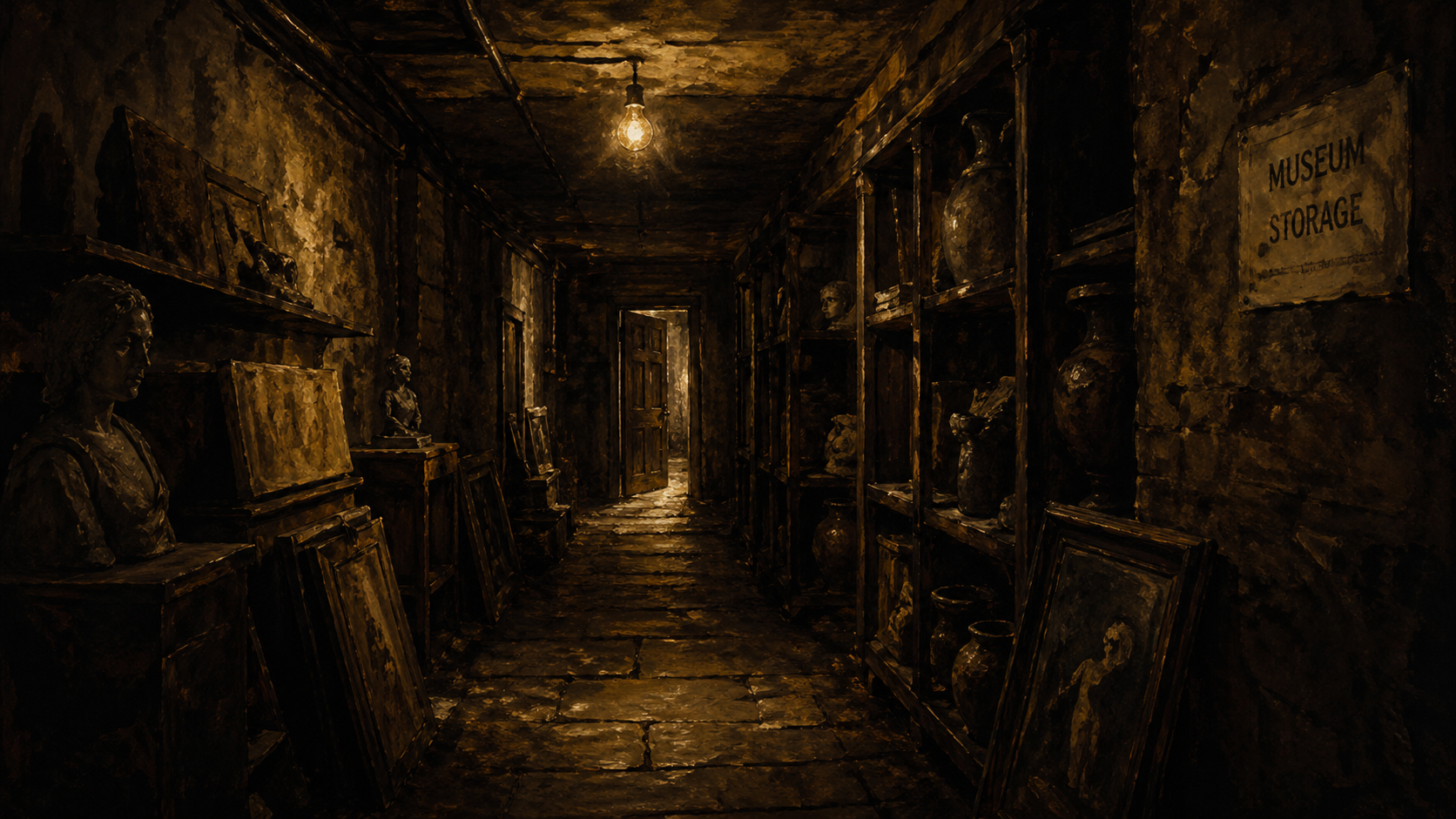
The light down here is poor enough that shadows move in your peripheral vision as you walk - following you, shifting between the shelves, vanishing when you look directly at them. The rational mind supplies explanations. The hindbrain does not entirely agree.
And then you find her.
Trinidad Rizo - twenty years old, brilliant, energetic, with an infectious smile that the people who knew her will describe for the rest of their lives - is buried beneath the fallen artifacts, half-covered by the debris of crates that have been pulled from the shelves around her.
You almost think, for a moment, that she might just be unconscious.
You look closer.
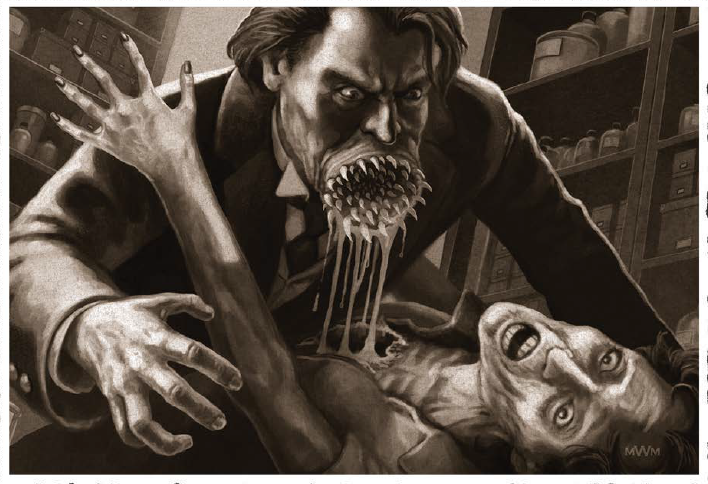
Her body is desiccated. Not decomposed - not the slow work of time - but drained, collapsed inward, her skin drawn tight over her bones like paper left in the sun for a hundred years. She has been reduced to something barely recognisable as human. Her clothes hang loose over the wasted frame beneath them. On the upper portion of her chest, roughly six inches across, is a wound unlike any wound a blade or bullet makes: a torn, bloody circle, the flesh ragged at the edges as though something attached itself there and pulled.
Her face is the worst of it. Her face is still her face - still young, still recognisable - but it has been frozen in the last expression she ever wore, and that expression is pure, wordless terror. Her eyes are open and staring at something on the ceiling above her that is no longer there.
Sanity rolls, quietly, around the table.
What Was Left Behind
Tucked inside Rizo’s jacket pocket, poking out just enough to catch the eye, is a small notebook - her research notes, dense with her handwriting. She never finished the transcription, but she got far enough. The notes tell the story Figueroa tried to tell: the tunnels, the gold, the thing that happened to his companions. What they became.
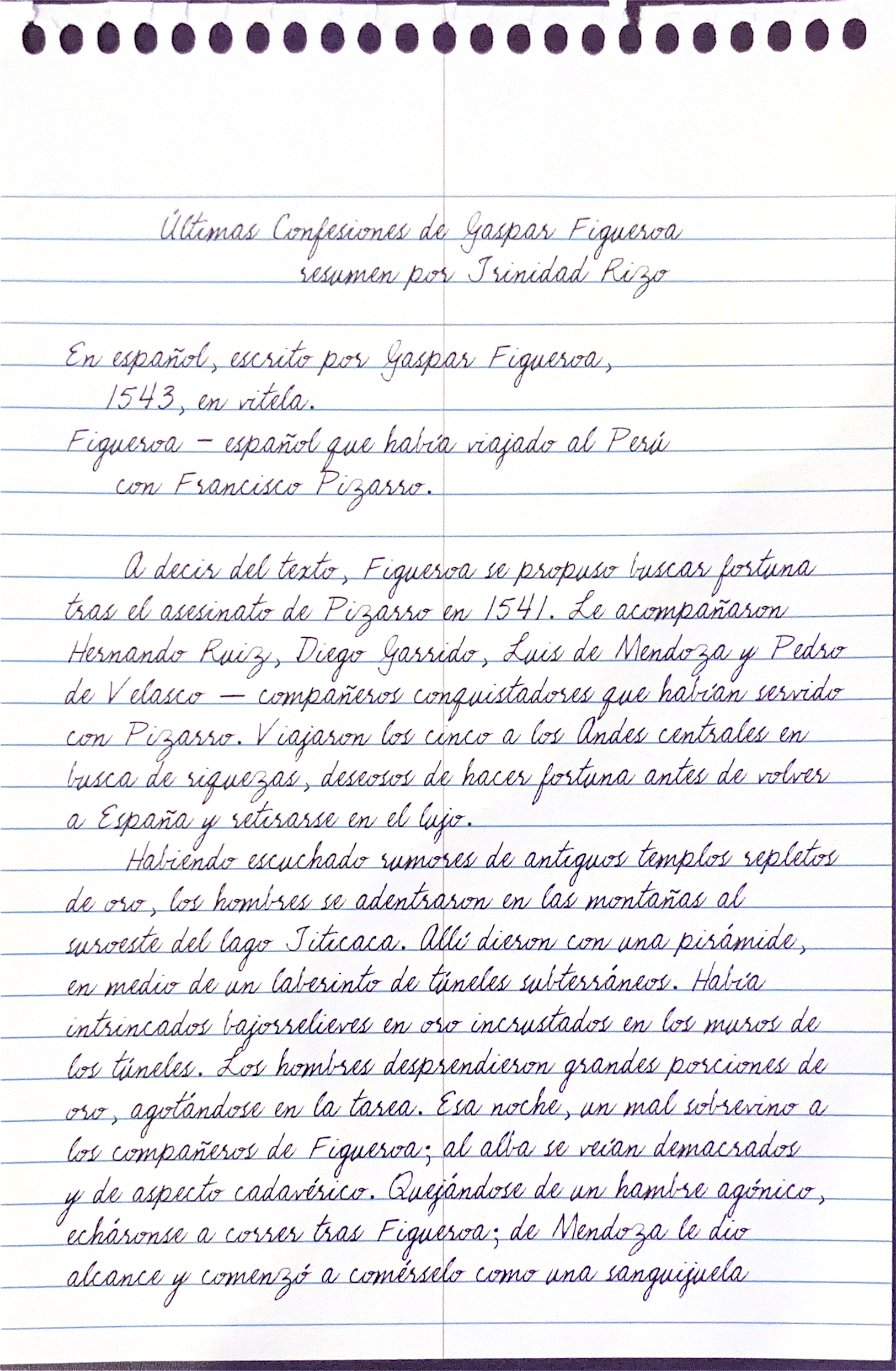
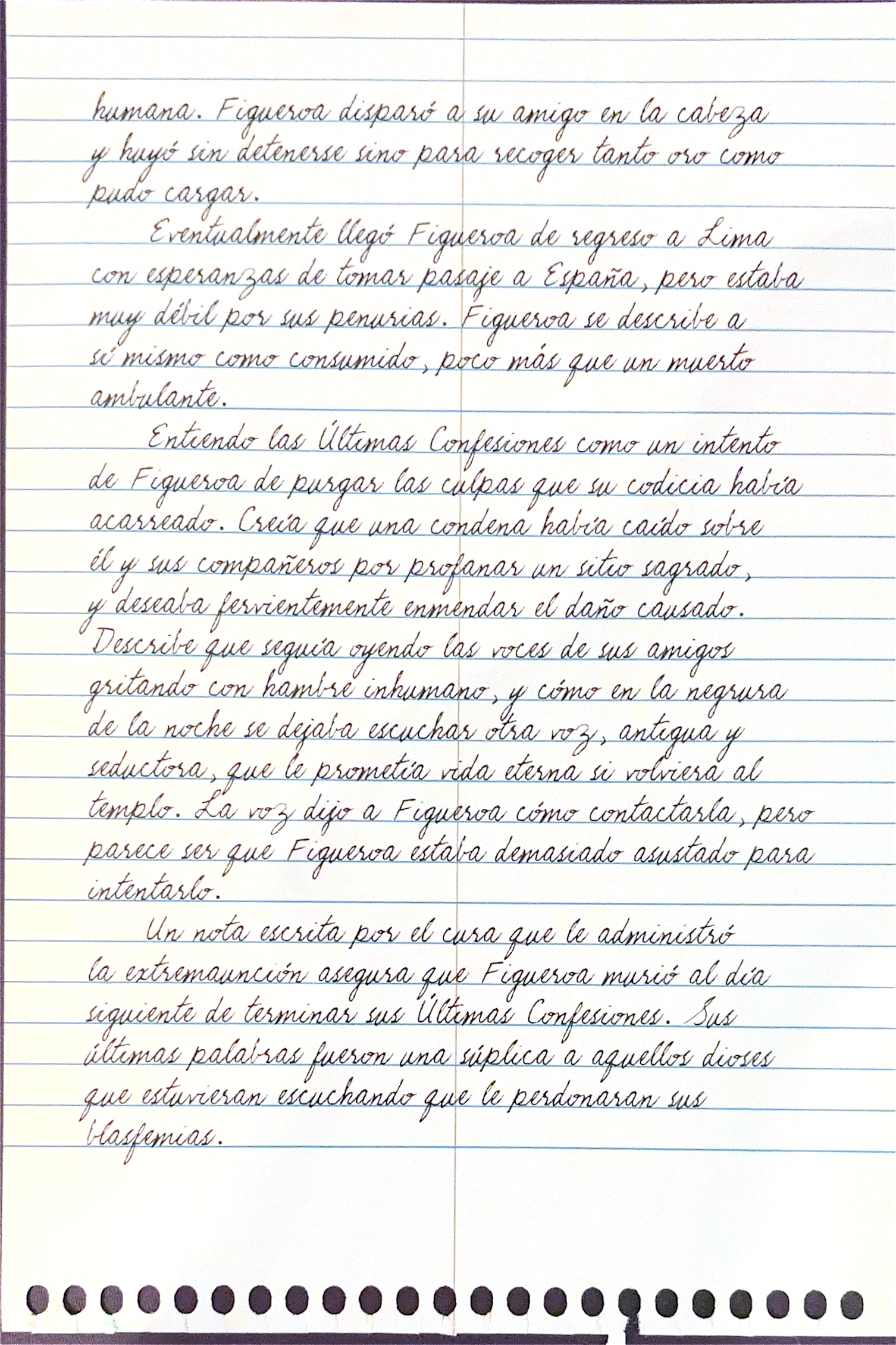
Translation:
According to the text, Figueroa set out to seek his own fortune following Pizarro’s assassination in 1541. He was accompanied by Hernando Ruiz, Diego Garrido, Luis de Mendoza, and Pedro de Velasco—fellow conquistadors who had served with Pizarro. They traveled into the southern highlands of the Andes, looking for treasure, hoping to make their fortunes before heading back to Spain and retiring in luxury. Hearing rumors of an ancient temple filled with gold, the men set off into the mountains southwest of Lake Titicaca. There they found a pyramid surrounded by a maze-like structure of underground tunnels. The walls of the tunnels were inlaid with intricate gold carvings. The men pried out a large section of the gold, exhausting themselves in the attempt. That night, as they rested, an evil sickness befell Figueroa’s companions; in the morning light they looked gaunt and deathlike. Complaining of agonizing hunger, they pursued Figueroa; de Mendoza caught up with him and started to devour him like a human leech. Figueroa shot his friend in the head and fled, pausing only to snatch up as much of the gold as he could carry. Figueroa eventually arrived back in Lima, hoping to get passage home, but he was too weakened by his ordeal. Figueroa describes himself as wasted, little more than a walking corpse. I read Final Confessions as Figueroa’s attempt to lift the guilt that his avarice had placed upon him. He believed that his fate and that of his companions was brought about by their desecration of a holy place, and his most fervent wish was that he could undo the damage he had inflicted. He describes how he can still hear his friends’ voices, crying out with inhuman hunger, and how in the dark of the night he can hear another voice, ancient and seductive, promising him eternal life if he returns to the temple. The voice told Figueroa how to contact it, but it seems Figueroa was too afraid to ever attempt this. A postscript written by the priest - who performed the last rites - states that Figueroa died a day after completing his Final Confessions. His last words were an entreaty to whatever gods were listening to forgive him his blasphemies.
And beside her body, partly buried under the debris of the shattered crate she had been examining, is the artifact she came to find.
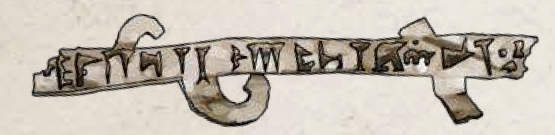
It is a length of worked gold - approximately two feet long, three inches wide, its surface covered in non-repeating geometric shapes, squares and rectangles with no obvious meaning to them, its ends rough and broken as though it was torn from something larger. It weighs considerably more than it looks like it should. And on its surface, barely visible but unmistakable once you see them, are marks in the gold that look very much like the burned remains of skin - as if something, or someone, was driven away from it by touching it.
The gold is cold. The burned marks are fresh.
Someone else was here, not long ago. Someone who found this artifact and could not, or would not, take it with them.
And that someone left a trail.
Blood - barely visible on the stone floor in the dim light, an intermittent smear of footprints - leads away from Rizo’s body, winding through the storeroom by a circuitous route, heading back up toward the main building.
Back toward Professor Sánchez’s office.
To be continued in Part 3 - The Kiss of de Mendoza
The Masks of Nyarlathotep campaign was originally written by Larry DiTillio and Lynn Willis, published by Chaosium. This narrative account reflects our table’s playthrough and is written for personal, non-commercial use.